
The renewable energy sector is creating more viable business opportunities right now than at any point in history, driven by falling technology costs, supportive policies, and surging demand from both consumers and corporations. Whether you’re launching a residential solar installation company, developing energy storage solutions, or consulting businesses on their transition to clean power, the economic fundamentals have shifted decisively in favor of entrepreneurs willing to enter this space.
Three years ago, I watched a friend transform a small electrical contracting business into a thriving solar installation operation. The pivot took six months and modest capital investment. Today, his team can’t keep up with demand. That story isn’t unique. Across nearly every segment of the renewable energy landscape, entrepreneurs are discovering that sustainability and profitability now move in the same direction.
The numbers tell the story clearly. Global investment in renewable energy continues to dwarf fossil fuel spending, while the levelized cost of solar and wind power has dropped below conventional sources in most markets. This isn’t about charitable environmental gestures anymore. Businesses adopting or selling renewable solutions are capturing genuine competitive advantages: lower operating costs, protection from energy price volatility, and access to customers who increasingly factor sustainability into purchasing decisions.
What makes this moment particularly compelling is the breadth of entry points. You don’t need millions in venture capital or a PhD in engineering. Opportunities range from service-based businesses requiring modest startup investment to technology ventures and manufacturing operations. The barriers that once made renewable energy the domain of large corporations and utilities have collapsed.
This guide maps the specific opportunities available in 2026, the skills and capital required for each, and the practical steps to move from interest to income. The question isn’t whether renewable energy represents a business opportunity. It’s which opportunity matches your resources and ambitions.
Why Renewable Energy Makes Business Sense Right Now
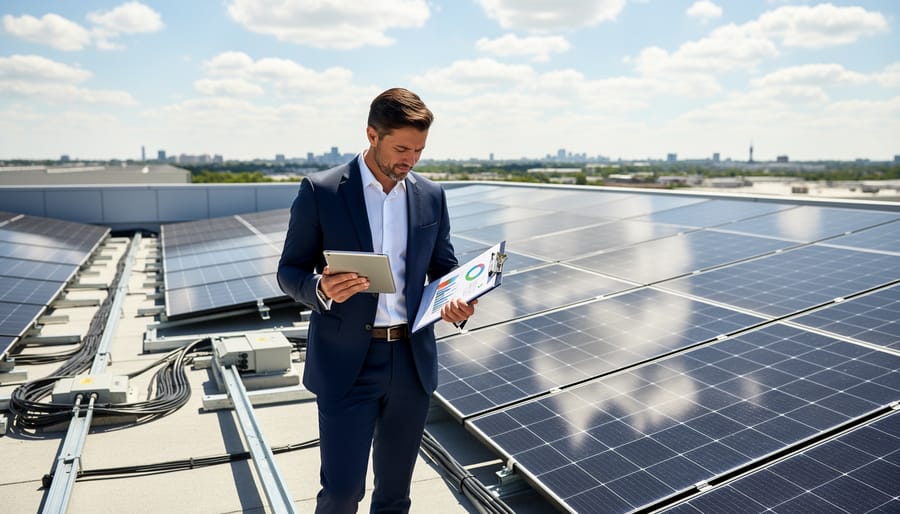
The economics of renewable energy have shifted dramatically. Ten years ago, installing solar panels on your warehouse or manufacturing facility was largely a feel-good decision with questionable returns. Today, it’s a competitive advantage that directly improves your profit margins.
The numbers tell the story. Solar installation costs have dropped roughly 70 percent since 2010, while efficiency has climbed steadily. Wind energy has followed a similar trajectory. What used to require a decade to break even now delivers positive returns in three to five years for many commercial applications. When you combine falling equipment costs with rising traditional energy prices, which jumped considerably in recent years and remain volatile, the financial case becomes compelling. Businesses that adopt renewable energy resources are locking in predictable energy costs while their competitors remain exposed to utility rate increases.
Beyond direct savings, there’s the market reality that younger consumers increasingly choose brands aligned with their values. A 2024 Nielsen study found that 73 percent of millennials and Gen Z consumers would pay more for sustainable products. This isn’t theoretical. I’ve watched local coffee roasters and retail shops attract new customers simply by advertising their solar-powered operations. The green energy transition has moved from marketing gimmick to genuine consumer demand.
The opportunities extend beyond adoption. Businesses that help other companies cut business costs through renewable energy transitions are capturing serious market share. Installation companies are backed up with orders. Energy consultants are turning away clients. The entire ecosystem around renewable business solutions is experiencing genuine growth, not hype-driven speculation. If you’ve been waiting for the right moment to enter this market or transform your operations, the financial conditions have arrived.
Direct Business Opportunities in Renewable Energy
Installation and Maintenance Services
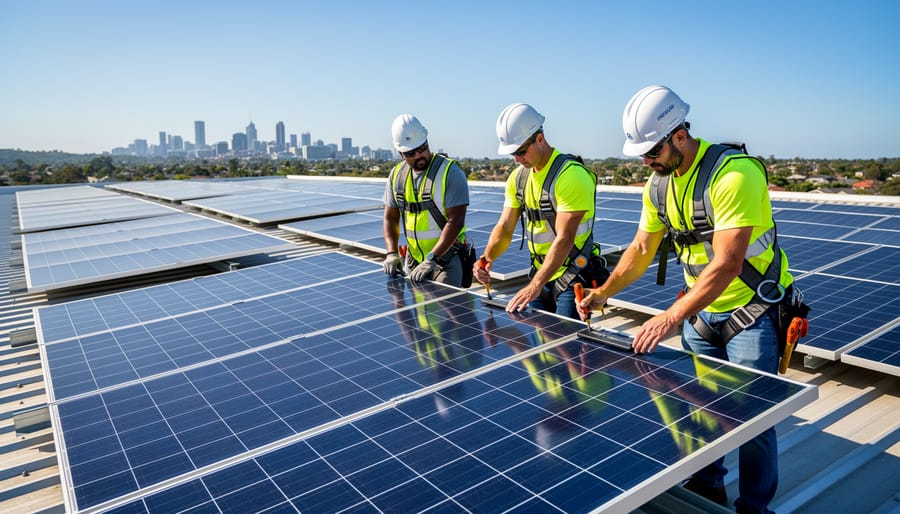
Solar panel installation remains one of the most accessible entry points into the renewable energy business. The barrier to entry is lower than most people think, a few weeks of technical training, relevant certifications (like NABCEP in the US), and basic tools can get you started. What makes this opportunity compelling in 2026 is consistent demand: residential installations continue growing as homeowners seek energy independence, while commercial clients pursue cost savings and sustainability credentials.
Take Marcus, who launched a solar installation company in Phoenix after losing his construction job. He started with residential rooftop systems, leveraging his existing trade skills. Within eighteen months, he’d expanded to five employees and branched into commercial projects. His insight? “People don’t just buy panels, they buy peace of mind about their energy bills.”
Energy auditing offers another profitable angle with minimal equipment costs. Businesses and homeowners pay for comprehensive assessments identifying efficiency improvements and renewable integration opportunities. You’ll need thermal imaging cameras, power meters, and strong analytical skills, but the recurring revenue potential is substantial as clients return for implementation support.
Wind turbine maintenance presents higher technical requirements but faces less competition outside major wind farm regions. Specialized training in high-voltage systems and rope access opens doors to lucrative service contracts. System maintenance, cleaning panels, checking inverters, monitoring performance, creates steady income streams through annual service agreements.
The real advantage? These aren’t one-time transactions. Solar systems need cleaning, monitoring, and occasional repairs for 25-plus years, building a foundation for long-term client relationships and predictable revenue.
Energy Storage Solutions
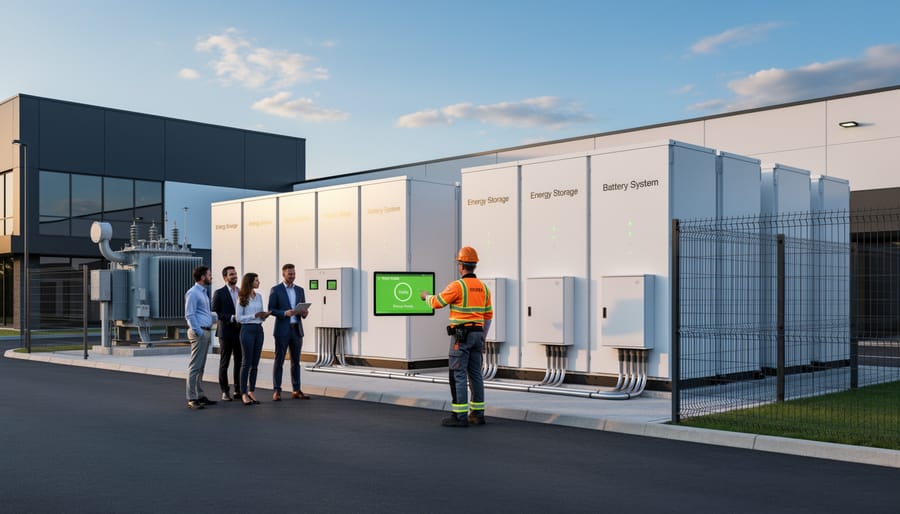
Energy storage is experiencing explosive growth because renewable energy generation doesn’t align perfectly with when we need power. The sun sets, the wind stops, but electricity demand continues. This mismatch creates a massive business opportunity.
Battery systems for homes have evolved from niche products to mainstream solutions, driven by grid instability concerns and the desire for energy independence. I spoke with a Colorado installer who started with two residential battery installations in 2022 and now completes fifteen monthly, with a six-week backlog. The residential market favors businesses that can simplify complex technology for homeowners, handle permitting, and provide responsive maintenance.
Commercial-scale storage presents even larger opportunities. Businesses use battery systems to reduce demand charges, capture cheaper off-peak electricity, and ensure operation during outages. Some companies are building “virtual power plants” by aggregating distributed batteries and selling grid services back to utilities.
The skills needed aren’t purely technical. Successful storage businesses combine electrical knowledge with financial acumen (explaining ROI and incentives), project management, and partnership development with solar installers or utilities. Software proficiency matters too, as modern systems require monitoring and optimization platforms.
Entry points range from becoming a certified installer for established brands to developing integration software or offering storage-as-a-service financing models.
Green Energy Consulting and Advisory
If you understand the systems and economics of renewable energy, you can build a consulting practice helping other businesses navigate their transitions. This is one of the most accessible entry points because it scales with expertise rather than capital investment.
Start with energy audits and transition roadmaps. Many businesses want to go green but don’t know where to begin, they need someone to assess their current consumption, identify cost-effective renewable options, and create phased implementation plans. I’ve watched consultants build six-figure practices just helping small manufacturers slash energy bills through solar-plus-efficiency combinations.
Carbon accounting is booming as reporting requirements tighten. Companies need help measuring emissions, setting reduction targets, and documenting progress for stakeholders and regulators. If you can translate technical data into business strategy, this niche practically prints money.
Compliance support is equally valuable. Renewable energy incentives come with paperwork mazes, tax credit applications, utility interconnection agreements, renewable energy certificates. Businesses will pay handsomely for someone who keeps them compliant while maximizing financial benefits.
The beauty here? You can start solo, work remotely, and grow as you prove results. Your first client often comes from your existing network.
Innovative Product Development
I spent three years watching my neighbor’s garage transform from a cluttered workspace into a small manufacturing hub where he now produces modular solar panel mounting brackets that sell to installers across four states. He didn’t invent solar technology, he identified a gap in the ecosystem and filled it with a better product.
The renewable energy sector needs more than panels and turbines to function effectively. It requires an entire support infrastructure of devices, tools, and consumer products that make clean energy practical for everyday users.
Smart monitoring systems represent one of the fastest-growing product categories. Homeowners and businesses adopting solar or wind want real-time visibility into energy production and consumption. Products that track performance, identify inefficiencies, or predict maintenance needs are solving genuine problems. These don’t require reinventing the wheel, they combine existing sensor technology with renewable energy applications.
Energy efficiency tools create another accessible entry point. Think thermal cameras designed specifically for home energy audits, plug-and-play power optimizers that work with existing solar arrays, or portable battery systems that integrate seamlessly with residential renewable setups. The market wants products that remove friction from the clean energy transition.
Renewable-powered consumer goods are carving out premium market positions. From solar-charged outdoor equipment to wind-powered water pumps for agricultural use, consumers increasingly expect everyday products to align with their values. The key is solving a real need while incorporating renewable power as a genuine feature rather than greenwashing gimmick.
The common thread? These products succeed by making renewable energy easier, more efficient, or more accessible, not by competing with the core technology itself.
Adopting Renewable Energy Within Your Existing Business
You don’t need to launch a new company to capitalize on the renewable energy transition. If you already run a business, whether you’re a local café, a manufacturing plant, or a retail shop, integrating renewable energy into your operations can slash costs, differentiate your brand, and drive real change in your community while strengthening your bottom line.
On-site generation is often the most visible move. Installing solar panels on your roof or wind turbines on your property transforms you from pure consumer to partial producer. I’ve watched a warehouse owner in Oregon cut his utility bills by 70 percent after a rooftop solar installation paid itself back in under six years. Beyond immediate savings, on-site generation protects you from future rate hikes and can generate renewable energy credits you can sell in some markets. If you lack suitable space or capital, community solar programs let you buy into shared installations and receive credits on your bill without touching your building.
Power Purchase Agreements (PPAs) offer another route with zero upfront cost. A third-party developer installs and maintains renewable energy infrastructure on your property, and you agree to buy the power they generate at a fixed rate, typically below retail electricity prices. This arrangement shifts the capital burden and technical risk to the developer while locking in predictable energy costs for 10 to 25 years. It’s particularly attractive for businesses that can’t afford large capital expenditures but want long-term savings.
Beyond generation, operational efficiency multiplies renewable energy’s impact. Upgrading to LED lighting, optimizing HVAC systems, and installing smart thermostats reduce overall consumption, making any renewable power you do use stretch further. One restaurant chain found that pairing solar panels with kitchen equipment upgrades doubled their return on investment compared to solar alone.
Where to start this year:
- Conduct a professional energy audit to identify your biggest consumption sources and efficiency opportunities
- Explore financing through green business loans, state incentive programs, or lease-to-own arrangements that eliminate upfront costs
- Vet installers carefully: check certifications, customer references, warranty terms, and local experience before signing contracts
The beauty of integrating renewables into existing operations is that you maintain business continuity while building resilience. You’re not betting the farm on a new market, you’re making your current business more competitive and future-proof. Start with the low-hanging fruit, document your savings, and scale from there.
Emerging Sectors and Future-Forward Opportunities
The smartest business moves often happen before everyone else arrives. While solar installation and battery storage are becoming increasingly competitive, several renewable energy sectors remain wide open for entrepreneurs willing to learn fast and move early.
Green hydrogen represents one of the most promising frontiers. Industries that can’t easily electrify, heavy manufacturing, shipping, aviation, desperately need clean fuel alternatives. Businesses producing, storing, or distributing green hydrogen (made using renewable electricity) are positioning themselves for enormous industrial demand. The infrastructure doesn’t exist yet in most regions, creating genuine first-mover advantages for companies that establish production facilities, refueling stations, or transportation networks now.
EV charging networks might seem obvious, but we’re still in the early innings. The real opportunity isn’t just installing chargers, it’s strategic placement, reliability management, and integration with renewable energy sources. Businesses that install solar-powered charging stations at workplaces, apartment complexes, or rural destinations are building valuable infrastructure before the EV adoption curve really steepens.
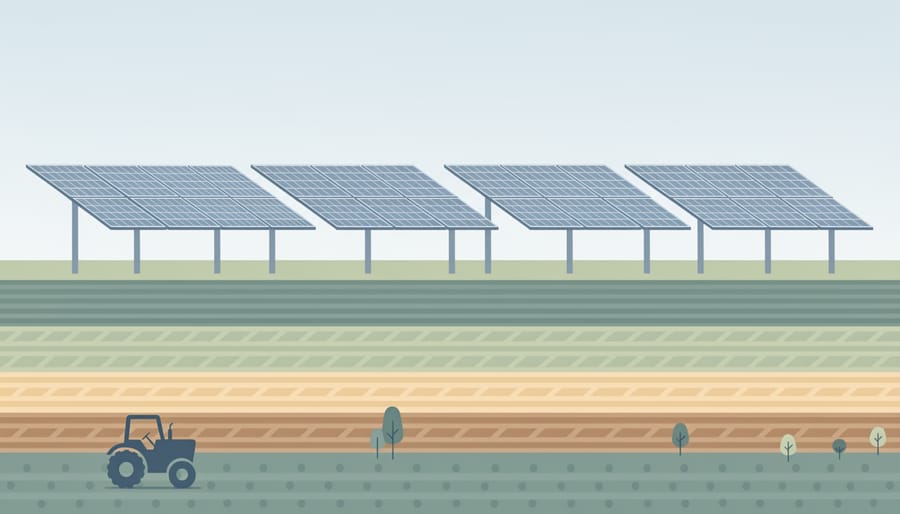
Agrivoltaics blends agriculture with solar generation, installing panels above crops or grazing land. Farmers gain dual income streams while reducing water evaporation and providing livestock shade. Companies that design agrivoltaic systems, consult on compatible crop selection, or manufacture specialized elevated panel structures are entering a sector that addresses both food security and energy needs.
Renewable energy financing platforms democratize access to clean energy projects. Whether you’re creating peer-to-peer lending marketplaces for solar installations, developing green bonds for community projects, or building software that streamlines renewable energy investment, the financial infrastructure for this transition remains underdeveloped.
These sectors share one characteristic: they’re solving real problems that existing renewable energy solutions haven’t fully addressed. Getting involved now means learning alongside the market rather than competing against established players.
Overcoming Common Business Barriers
The barriers keeping businesses from renewable energy opportunities are real, but none of them are insurmountable. I’ve spoken with dozens of entrepreneurs who felt paralyzed by these concerns until they discovered the practical workarounds available today.
Upfront capital is the most cited barrier, and yes, a commercial solar installation or equipment purchase requires investment. But the financing landscape has transformed dramatically. Green banks now exist in multiple states offering low-interest loans specifically for renewable projects. Equipment leasing eliminates large upfront costs while still delivering energy savings. Power purchase agreements let you install solar with zero capital outlay, a third party owns the system and sells you the power at a fixed rate below utility prices. For service-based opportunities like consulting or installation, startup costs mirror any professional service business: modest compared to manufacturing or retail.
Technical knowledge gaps feel daunting but are highly addressable. Certification programs from organizations like NABCEP (solar) and AWEA (wind) provide structured pathways from novice to credible professional in months, not years. Many successful renewable energy entrepreneurs started by partnering with technical experts while they handled business development and customer relationships. Online platforms and community colleges now offer affordable training in energy auditing, system design, and installation fundamentals.
Regulatory complexity varies significantly by location and business type. Yes, environmental compliance and permitting require attention, but most states have streamlined renewable energy processes specifically to encourage adoption. Trade associations provide regulatory guides, and hiring a consultant for initial setup often costs less than a month of mistakes. Many renewable businesses report that after the initial learning curve, compliance becomes routine.
Market uncertainty is perhaps the easiest barrier to address: demand is demonstrably growing, not speculative. Renewable energy capacity additions outpaced fossil fuel additions globally for three consecutive years. Corporate sustainability commitments are creating predictable demand for green energy solutions. The risk isn’t that the market will disappear, it’s that you’ll enter after the early-mover advantage is gone.
Common Questions About Starting a Renewable Energy Business
Starting a renewable energy business can feel overwhelming, especially if you are navigating uncharted territory. I have spoken with dozens of aspiring green entrepreneurs, and the questions below come up repeatedly. Understanding the answers upfront can save you months of uncertainty and help you move forward with confidence.
Do I need a technical background or special certifications?
Not necessarily. While technical roles like installation require specific certifications (such as NABCEP for solar), many renewable energy businesses succeed without deep technical expertise, consulting, project management, sales, and financing roles rely more on business acumen and industry knowledge. You can always partner with certified technicians or hire them as your business grows.
What are typical startup costs for a renewable energy business?
Costs vary dramatically by business model. A consulting practice might launch with under five thousand dollars for licensing, insurance, and marketing, while an installation company could require fifty to one hundred thousand for equipment, vehicles, inventory, and certifications. Service-based models generally have lower barriers to entry than product-based ventures.
Which business model works best for beginners?
Energy consulting and auditing offer the lowest-risk entry point, you can start solo, build expertise through each client engagement, and scale gradually. Installation partnerships (where you sell and manage projects but subcontract the technical work) also work well for entrepreneurs with sales skills but limited technical experience.
How do I find my first customers?
Start local and leverage word-of-mouth: offer free energy assessments to small businesses in your network, partner with contractors who do not offer renewable services, and join local business associations where sustainability-minded owners gather. Online presence matters, but your first ten clients will likely come from direct relationship-building and referrals.
Beyond these fundamentals, timing your entry matters more than perfection. The renewable energy market rewards action over endless planning. I have watched too many would-be entrepreneurs spend years researching the perfect moment while others with less preparation build thriving businesses simply by starting. Your first project will teach you more than six months of study.
Consider your existing skills and network as assets, not obstacles. If you understand commercial real estate, you are already positioned to help property owners evaluate solar investments. If you have sales experience, you can master renewable products faster than a technician can learn to sell. The renewable energy sector needs diverse skills, and there is space for business minds alongside engineers.
The business case for renewable energy has never been stronger. We’re living through a rare moment when doing good and doing well aren’t just compatible, they’re increasingly inseparable. Companies that embrace clean energy today aren’t making charitable gestures; they’re positioning themselves at the center of a trillion-dollar market transformation that’s rewriting the rules of energy, transportation, manufacturing, and commerce.
What strikes me most after years covering this space is how accessible these opportunities have become. You don’t need a PhD in engineering or millions in venture capital to participate. The solar installer who started with a pickup truck and basic electrical training. The consultant who pivoted from general business advisory to sustainability strategy. The product designer who saw a gap and filled it with smart efficiency tools. These are real people building profitable businesses while accelerating the clean energy transition we desperately need.
The opportunities outlined here, from installation services to energy storage, consulting to product innovation, represent entry points suited to different skills, resources, and risk appetites. Pick one that genuinely aligns with what you know or what excites you. Research it deeply. Talk to people already doing it. Then take one concrete step this week.
The early movers in emerging markets capture outsized returns, but the window doesn’t stay open forever. Solar is mature; battery storage is heating up; green hydrogen is just beginning. Where do you want to position yourself? The transition is happening with or without you. The only question is whether you’ll help shape it, and profit from it, or watch from the sidelines.