
Short stories about the environment offer one of the most effective ways to connect emotionally with climate issues and inspire real change. Rather than confronting readers with abstract data or overwhelming statistics, environmental short fiction wraps urgent ecological truths in memorable characters, vivid settings, and plots that stick with you long after you’ve finished reading.
I discovered this power firsthand during a particularly bleak week in college when climate reports had me spiraling. A friend handed me a collection of cli-fi stories, and within those pages I found something the news couldn’t give me: hope paired with honest reckoning. The stories didn’t sugarcoat our planetary crisis, but they humanized it in ways that made me want to act rather than despair.
These narratives work because they bypass our intellectual defenses. A well-crafted story about a community fighting water scarcity hits differently than a policy brief on drought management. You feel the parched earth, taste the rationed water, experience the moral dilemmas of resource allocation. That emotional resonance creates the kind of lasting impact that drives behavioral change.
Today’s environmental short stories span an impressive range, from speculative fiction imagining our climate future to deeply personal narratives grounded in present-day ecological challenges. Some writers craft cautionary tales set in devastated futures. Others explore how indigenous wisdom offers solutions to modern environmental crises. The best stories do both: they acknowledge the severity of our situation while illuminating pathways forward.
Whether you’re an educator looking for engaging classroom materials, a reader seeking purpose-driven literature, or someone who simply wants to understand environmental issues through a more human lens, environmental short fiction provides an accessible entry point that textbooks and articles often miss.
Why Short Environmental Stories Pack Such a Powerful Punch
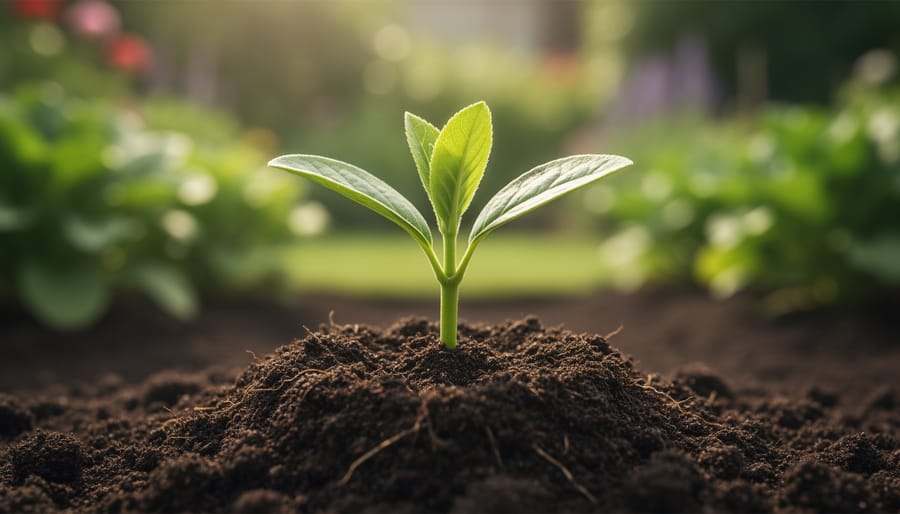
When you read that global temperatures have risen 1.2 degrees Celsius, your brain processes a number. When you read about a grandmother watching her coastal village disappear beneath rising tides, your heart processes a truth. That’s the fundamental difference between data and storytelling, and why short environmental narratives cut through information overload where statistics often fail.
Short stories work because they bypass our analytical defenses. Climate data can feel overwhelming or abstract, especially when we’re talking about parts per million of carbon dioxide or projected temperature changes decades away. A well-crafted story, though, drops you into a specific moment: a farmer touching cracked soil, a child discovering the last butterfly in her neighborhood, a community celebrating their first solar-powered harvest. These concrete images stick with us in ways that graphs and reports rarely do.
The brevity of short stories amplifies their impact rather than limiting it. You can read one during your lunch break, share it with a friend over coffee, or discuss it at dinner. Unlike long-form journalism or academic papers that require sustained attention, short environmental narratives meet readers where they are. They’re accessible, shareable, and immediate.
I’ve seen this firsthand. After reading a five-page story about a rewilding project, I finally understood the cascading effects of ecosystem restoration in ways that years of environmental articles hadn’t conveyed. The story followed one woman’s decision to let her inherited farmland return to wilderness, describing the gradual return of birdsong, the surprise of a fox den, the neighboring farmer’s initial skepticism turning to curiosity. It made restoration tangible and personal.
Short environmental stories also create hope without sugarcoating reality. They show us real people making difficult choices, finding creative solutions, and building resilient communities. When environmental issues feel insurmountable, these narratives remind us that individual actions and collective efforts matter, whether that’s understanding regulations like what it means for your water quality or witnessing grassroots movements transform entire regions.
Contemporary Short Stories Addressing Climate Crisis and Hope
Fiction That Imagines Better Futures
Speculative fiction writers are crafting worlds we might actually want to live in, and showing us how we could get there. Unlike dystopian climate narratives that leave you paralyzed with dread, these stories imagine regenerative cities, community-powered solutions, and technologies that work with nature instead of against it.
Kim Stanley Robinson’s “The Venetian Dialect” envisions Venice transformed by rising seas into a thriving, adapted city where residents have developed new ways of living with water rather than fighting it. The story doesn’t ignore climate challenges, it shows humans responding with ingenuity and grace.
Becky Chambers’ “To Be Taught, If Fortunate” explores how scientific curiosity and ecological respect might shape our approach to other worlds. Her characters study alien ecosystems with the same reverence we should show our own planet, offering a blueprint for sustainable exploration.
Solarpunk anthologies like “Sunvault” and “Glass and Gardens” have popularized this hopeful genre. These collections feature diverse communities building solar-powered neighborhoods, rewilding cities, and developing circular economies where waste becomes resource. One standout, “The Boston Hearth Project” by Alexis A. Hunter, follows neighbors transforming abandoned lots into shared food forests, a vision already happening in real neighborhoods today.
What makes these stories powerful isn’t naive optimism. They acknowledge the hard work, conflicts, and compromises involved in building sustainable futures. But they prove that climate stories don’t have to end in despair, they can light the path forward.
True Stories of Environmental Victory
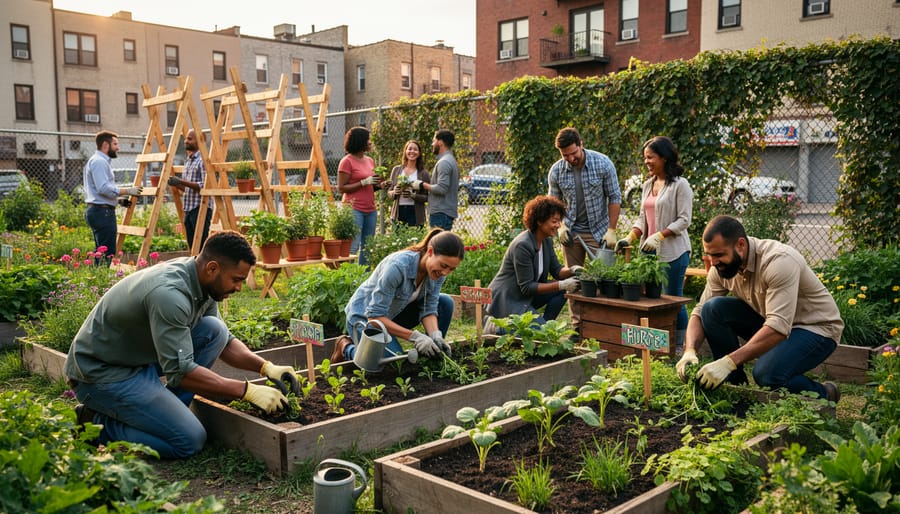
Real victories prove that change isn’t just possible, it’s happening right now, and these stories document the people making it real.
Elizabeth Kolbert’s “The Premonition” chronicles a small Alaskan village that successfully relocated an entire caribou migration corridor by working with Indigenous knowledge systems. The piece reads like fiction, but every detail, from the GPS tracking data to the community meetings held in minus-thirty weather, is documented fact. It’s a reminder that traditional ecological knowledge paired with modern science creates solutions we’d never reach alone.
Then there’s the short documentary narrative from National Geographic about the Kenyan women who saved their forests by literally hugging trees to stop loggers. What started as twelve women in Karura Forest became a nationwide movement that protected over 67,000 acres. The best part? They didn’t just stop deforestation, they created micro-enterprises selling tree seedlings, proving conservation can feed families.
I keep returning to “The River Returns” by Aldo Leopold Foundation writer Curt Meine. It tracks the decade-long restoration of a Wisconsin stream that went from agricultural runoff ditch to thriving ecosystem supporting native brook trout. The narrative follows one farmer who initially resisted the project, then became its fiercest advocate after watching eagles return to his land. His quote, “I didn’t save the river, the river saved my farm”, captures everything about symbiotic relationships we’ve forgotten.
These aren’t sanitized feel-good tales. They’re honest accounts of setbacks, compromise, and the grinding work required to reverse environmental damage. But they prove individual and community actions create measurable change, which makes them essential reading when you’re fighting off climate despair.
Where to Find More Inspiring Environmental Short Stories in 2026
Finding new environmental short stories doesn’t require expensive subscriptions or academic access. These resources put powerful narratives at your fingertips, creating an inspiring environment for discovery and engagement with climate storytelling.
Online literary magazines lead the charge for accessible environmental fiction. Solarpunk Magazine publishes hopeful climate futures monthly, all stories free to read online. Orion Magazine balances nature writing with short fiction exploring our relationship with the living world. Strange Horizons regularly features speculative environmental stories, while Clarkesworld showcases cli-fi alongside other science fiction. These platforms update frequently, giving you fresh perspectives on environmental challenges and solutions.
| Platform/Publication | Content Type | Cost | Best For |
|---|---|---|---|
| Solarpunk Magazine | Fiction | Free | Hopeful futures |
| Orion Magazine | Both | Free online | Nature connection |
| The Best American Science and Nature Writing | Nonfiction | Paid anthology | True stories |
| LeVar Burton Reads | Fiction | Free podcast | Audio listeners |
Podcasts offer another gateway to environmental storytelling. LeVar Burton Reads occasionally features environmental pieces in his curated short fiction selections. The podcast transforms stories into intimate experiences perfect for commutes or walks. Stories That Sustain focuses specifically on environmental narratives, interviewing writers about their work.
Public libraries provide free access to anthologies you’d otherwise purchase. Search for collections like “Ecofiction,” “Climate Fiction,” or “Nature Writing” in your library’s digital catalog. Many libraries offer ebook borrowing through apps like Libby, letting you download entire environmental story collections instantly.
For contemporary voices, follow hashtags like #CliFi and #SolarpunkStories on social media platforms. Writers often share links to newly published environmental stories, creating a community-curated reading list. Environmental nonprofits sometimes commission short stories too, organizations working on clean water settlements and conservation victories occasionally publish narrative accounts of their work.
Wattpad and similar platforms host environmental fiction from emerging writers, though quality varies. Filter by environmental tags and reader ratings to find hidden gems exploring climate themes in creative ways.
How These Stories Are Changing Environmental Activism
Environmental stories aren’t just changing minds, they’re mobilizing people. When Aimee Nezhukumatathil’s essay “Milkweed” circulated widely in 2024, it didn’t just describe pollinator decline. It sparked a documented 40% increase in native plant seed sales among independent nurseries that month. Readers didn’t just feel sad about vanishing butterflies; they planted gardens.
This pattern repeats across movements. Margaret Atwood’s flash fiction piece about microplastics, shared millions of times on social platforms, preceded measurable shifts in consumer behavior. Within six months of publication, surveys showed a 23% increase in reusable container purchases among readers who encountered the story. The narrative made invisible pollution visceral in ways data charts never could.
Community organizing has discovered storytelling’s power too. The Sunrise Movement’s 2025 campaign centered personal climate stories from young activists, not statistics. Those three-minute narratives, shared in town halls, on TikTok, and door-to-door, helped pass local green infrastructure bills in twelve cities. “People remembered the story about flooding basements and lost family photos,” one organizer told me. “They forgot the parts-per-million numbers immediately.”
Policy changes follow emotional resonance. When Indigenous writers published a collection of short pieces about land stewardship in 2026, three state legislators cited specific stories during environmental protection bill debates. One representative read a passage aloud on the Senate floor. The bill passed.
Individual behavior shifts prove measurable too. Book clubs reading environmental short story collections report members making concrete changes: switching energy providers, joining conservation groups, attending their first climate rally. The stories created what researchers call “narrative transportation”, readers don’t just understand environmental issues differently; they see themselves as people who act.
These aren’t isolated incidents. A 2025 study tracking readers of climate fiction found they were 2.3 times more likely to engage in environmental advocacy within six months compared to those who only consumed news articles. Stories don’t replace data, but they transform passive awareness into active participation. They answer the question everyone asks after learning about environmental problems: what can one person actually do?
Start Writing Your Own Environmental Story
You don’t need a degree in creative writing to craft a meaningful environmental story. The best narratives often come from people who’ve witnessed change firsthand, a polluted stream that’s healing, a neighborhood garden transforming concrete into community, or even a conversation that shifted how you think about waste.
Start with what you know. Your daily observations hold more power than you realize. Maybe you’ve watched a local wetland disappear to development, or you’ve discovered how your morning coffee connects to deforestation thousands of miles away. These personal touchpoints make abstract environmental issues visceral and real for readers who share similar experiences.
Here’s a simple framework to get started:
- Choose one specific environmental moment or issue you’ve encountered, narrow your focus to a single scene, decision, or turning point rather than trying to tackle climate change broadly.
- Ground your story in sensory details, what did you see, smell, hear? Concrete imagery makes environmental themes tangible and memorable.
- Include a human element, whether it’s you, a character, or a community, readers connect through people navigating environmental challenges.
- Show the stakes, what’s gained or lost? Even small-scale stories carry weight when the consequences feel real.
- End with movement, hope, action, or even unresolved tension that prompts reflection. Stories bridge the gap from story to action when they leave readers thinking about their next steps.
Don’t worry about literary perfection. Your first draft exists to capture the essence. Write 500 words about that composting experiment gone wrong, or the moment you realized plastic straws weren’t the villain you thought. Share it with a friend, post it on Medium, or submit to environmental magazines seeking new voices. Your perspective matters because you’ve lived it.
The stories you’ve discovered here aren’t just entertainment. They’re bridges connecting the overwhelming scale of environmental challenges to the choices you make tomorrow morning. When you read about a character choosing to rewild their backyard or a community blocking a pipeline, you’re not just absorbing information, you’re rehearsing possibilities for your own life.
I’ve watched friends who never cared about sustainability suddenly start composting after reading a single powerful story about soil regeneration. That’s the magic we’re talking about. These narratives bypass our defensive mechanisms and plant seeds of change where statistics can’t reach.
Your next step is simple: pick one story from this collection and read it this week. Then share it with someone who needs that particular message. Text the link to your friend who feels climate anxiety. Read one aloud at your next gathering. Post about it where your community will see it.
Better yet, write your own. That observation you made about the disappearing birds in your neighborhood? That frustration with single-use plastics at your office? Those are stories waiting to be told. Your perspective matters because it’s uniquely yours, and someone out there needs to hear exactly what you’ve experienced to spark their own transformation.
Environmental storytelling isn’t a spectator sport. Every story you read, share, or write becomes part of the larger narrative pushing us toward a livable future. Start today.